What Torch FOR ME?

What Torch for me
With 10s of not 100,000s of thousands of different torches available to be purchased we want to share with you some of the things that we consider when we look at a new torch:
- What is the primary purpose of this torch
- What LED does it have and how does it suit its purpose
- What is better rechargeable or battery powered
- What is colour temperature and what is best for me
- Does size or weight matter
- Does it need any other functions
What Is The PrimaryPurpose Of This Torch?
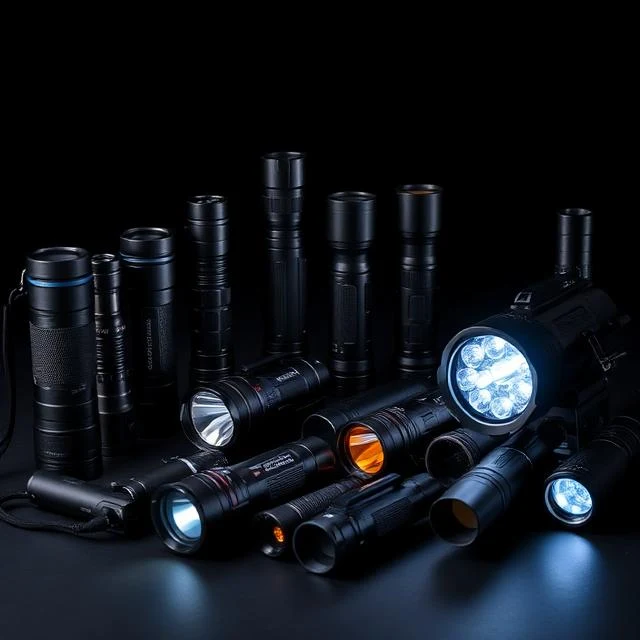
The first thing to consider when choosing a torch is what you actually need it to do. Different torches are designed for different situations, and choosing the right style can make a huge difference in performance, battery life and usability.
For example, a compact torch for keeping in the glovebox or kitchen drawer has very different requirements to a heavy-duty spotlight used for boating, hunting or farm work. Some people need a torch that throws light hundreds of metres down a track, while others simply need a broad flood of light to work on a car engine, set up camp or walk the dog.
It’s also important to think about how often the torch will be used. A torch used occasionally for emergencies may prioritise long battery storage life and simplicity, while a torch used daily for work may need rechargeable batteries, stronger construction and higher light output.
Environmental conditions matter too. Outdoor users may need waterproofing and long beam distance, while workshop or trade users may benefit more from wide-angle lighting and magnetic bases. Campers may want lightweight compact lights, while security or marine users may prefer maximum brightness and runtime.
Before focusing on brightness or features, it helps to ask a few simple questions:
Before Choosing A Torch, Ask:
- What will the torch mainly be used for?
- Do you need distance or wide-area lighting?
- How often will it be used?
- Will it be carried regularly?
- Is battery runtime important?
- Will it be used indoors, outdoors or both?
Once you understand the main purpose of the torch, it becomes much easier to choose the right LED type, battery system and features.
What LED Does It Have And How Does It Suit Its Purpose?
The LED inside a torch plays a major role in determining how the light performs. Different LED
technologies are designed for different applications, and understanding the differences can help you select the right torch for your needs.
CREE LEDs
Best For Long Distance And High Performance
01
CREE LEDs are known for producing powerful, focused beams with excellent brightness and efficiency. These LEDs are commonly used in premium torches where beam distance and maximum output are important.
A torch fitted with a CREE LED is often ideal for boating, hunting, farm work, security or searching large outdoor areas. They are designed to throw light over longer distances while still maintaining
good battery efficiency.
The trade-off is that CREE torches can sometimes produce a narrower beam and may cost more due to their higher performance.
CLED LEDs
Great Everyday Performance
02
CLED LEDs offer reliable brightness and efficiency at a more affordable price point. They are well suited to general purpose torches used around the home, workshop, garage or campsite.
These LEDs provide a good balance between brightness, runtime and value for money, making them a popular choice for everyday users who want dependable lighting without the premium price tag.
While they may not match the extreme output or beam throw of a high-end CREE LED, they are often more than capable for most practical situations.
SMD LEDs
Best For Wide Area Lighting
03
SMD (Surface Mounted Device) LEDs are designed to spread light evenly across a wider area rather than focusing it into a tight beam.
This makes them ideal for lanterns, compact work lights, camping lights and area lighting where you want to illuminate a space rather than see into the distance.
SMD LEDs are efficient, compact and versatile, but they are generally not suited to applications requiring long-range visibility.
COB LEDs
Best For Flood Lighting
04
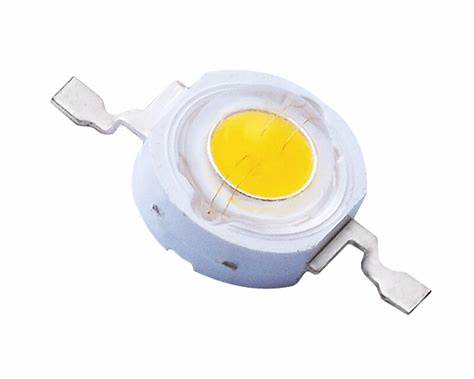
COB (Chip On Board) LEDs use multiple LED chips packed closely together to create a very bright,
smooth flood of light.
COB lighting is excellent for workshop lights, mechanic lights, emergency lights and camping lights where broad, shadow-free illumination is important.
Rather than creating a focused spotlight beam, COB LEDs are designed to light up larger areas evenly. This makes them particularly useful for close-range tasks and work environments.
Standard LEDs
Simple And Affordable
05
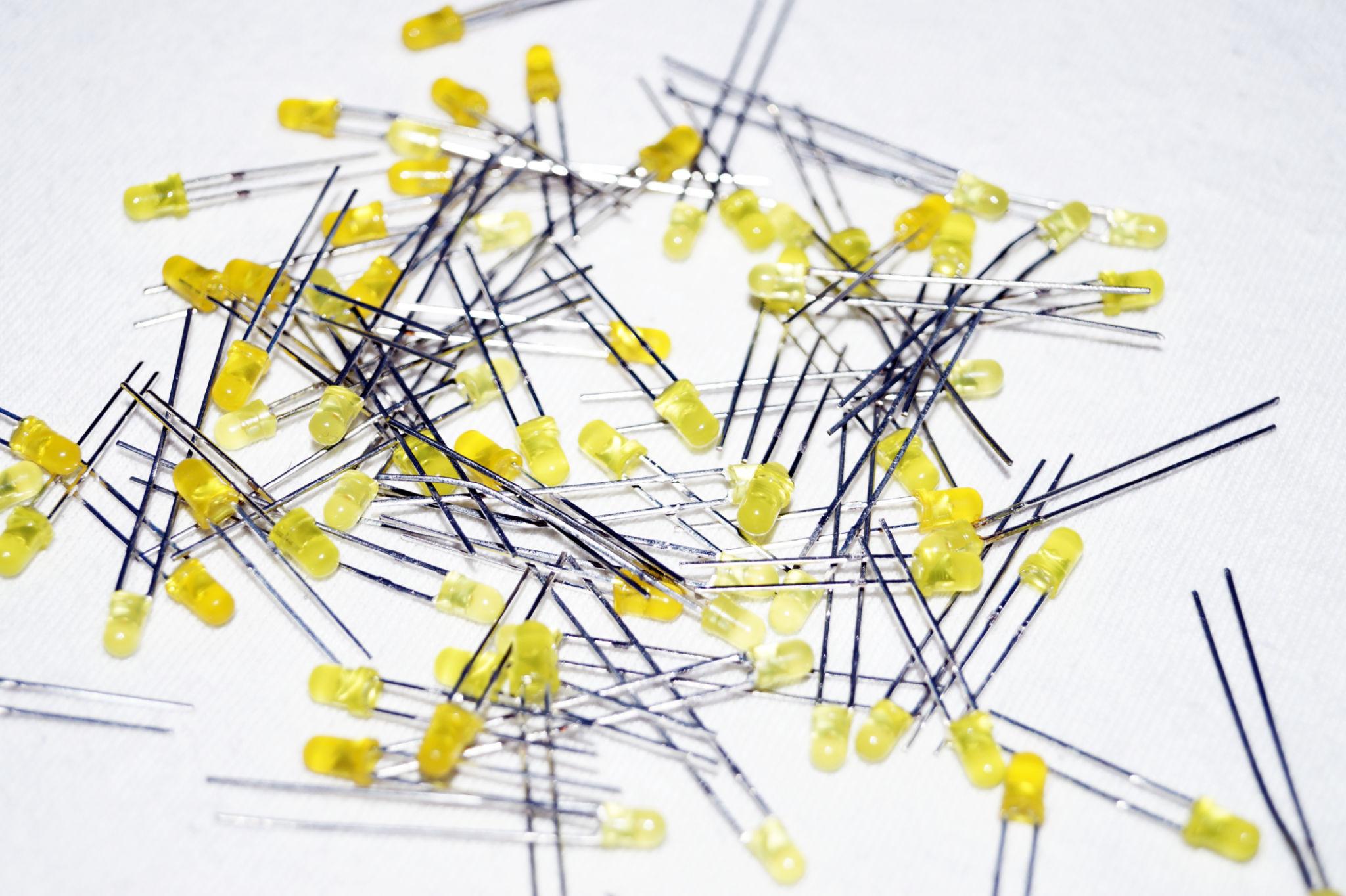
Standard LEDs are commonly found in basic torches and smaller utility lights. They offer simple, reliable lighting at a lower cost and typically consume very little power.
While they do not produce the same brightness or efficiency as modern LED technologies, they are still perfectly suitable for backup torches, keychain lights and general occasional use.
There’s no single “best” LED for every situation. A spotlight torch for boating has very different requirements to a workshop light or camping lantern.
That’s why RPM Innovations uses a range of LED technologies across our products – so you can choose the right light for the job, whether you need distance, flood lighting, compact size, efficiency
or value for money.
What LED Does It Have And How Does It Suit Its Purpose?
The LED inside a torch plays a major role in determining how the light performs. Different LED
technologies are designed for different applications, and understanding the differences can help you select the right torch for your needs.
CREE LEDs
Best For Long Distance And High Performance
CREE LEDs are known for producing powerful, focused beams with excellent brightness and efficiency. These LEDs are commonly used in premium torches where beam distance and maximum output are important.
A torch fitted with a CREE LED is often ideal for boating, hunting, farm work, security or searching large outdoor areas. They are designed to throw light over longer distances while still maintaining
good battery efficiency.
The trade-off is that CREE torches can sometimes produce a narrower beam and may cost more due to their higher performance.
CLED LEDs
Great Everyday Performance
CLED LEDs offer reliable brightness and efficiency at a more affordable price point. They are well suited to general purpose torches used around the home, workshop, garage or campsite.
These LEDs provide a good balance between brightness, runtime and value for money, making them a popular choice for everyday users who want dependable lighting without the premium price tag.
While they may not match the extreme output or beam throw of a high-end CREE LED, they are often more than capable for most practical situations.
SMD LEDs
Best For Wide Area Lighting
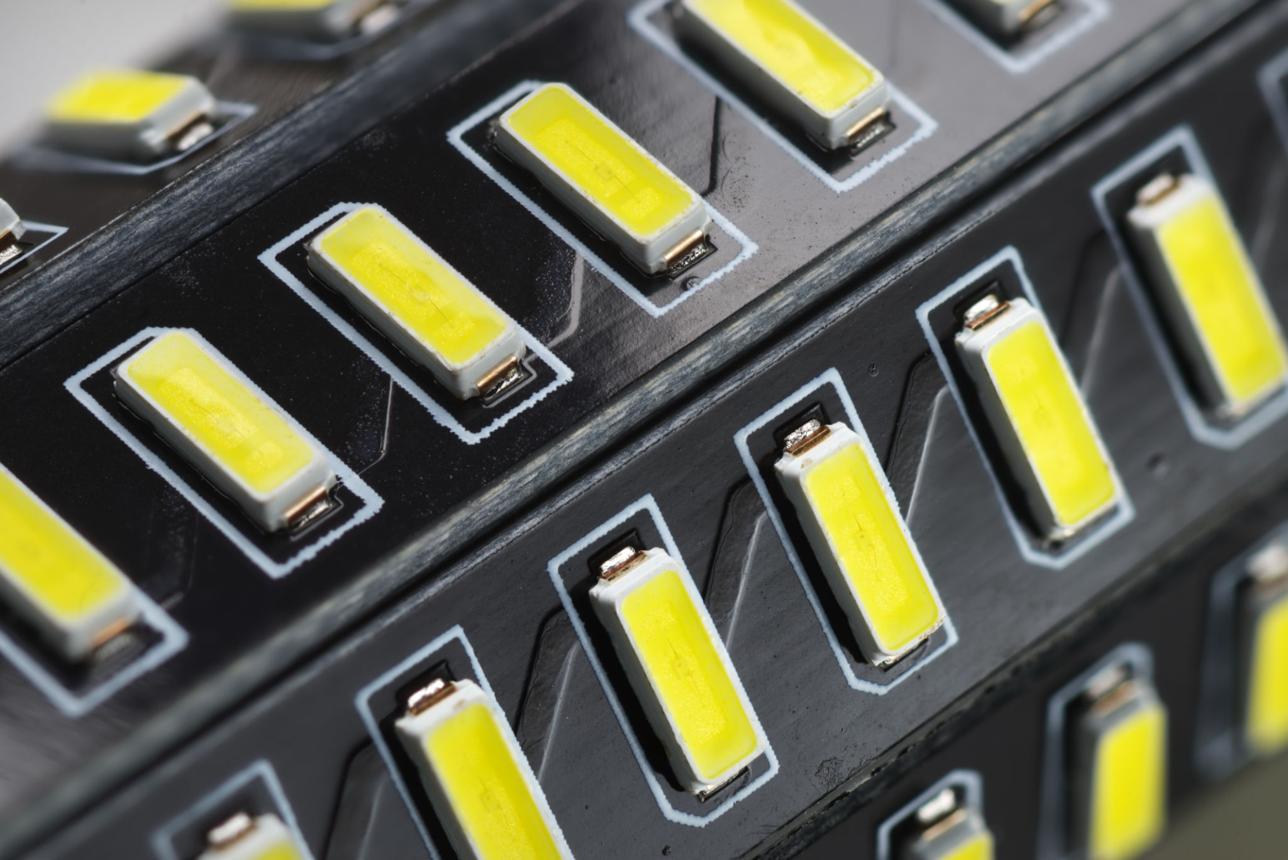
SMD (Surface Mounted Device) LEDs are designed to spread light evenly across a wider area rather than focusing it into a tight beam.
This makes them ideal for lanterns, compact work lights, camping lights and area lighting where you want to illuminate a space rather than see into the distance.
SMD LEDs are efficient, compact and versatile, but they are generally not suited to applications requiring long-range visibility.
COB LEDs
Best For Flood Lighting
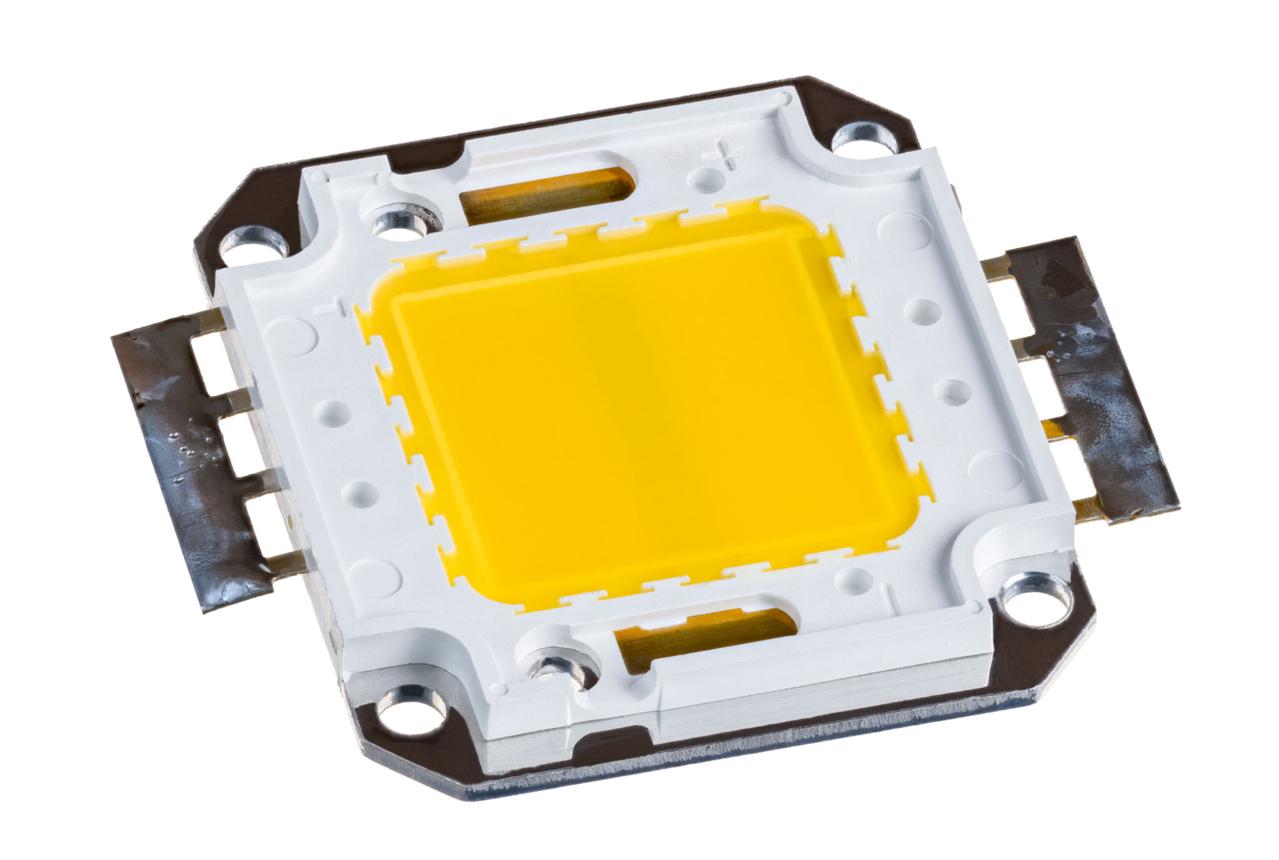
COB (Chip On Board) LEDs use multiple LED chips packed closely together to create a very bright, smooth flood of light.
COB lighting is excellent for workshop lights, mechanic lights, emergency lights and camping lights where broad, shadow-free illumination is important.
Rather than creating a focused spotlight beam, COB LEDs are designed to light up larger areas evenly. This makes them particularly useful for close-range tasks and work environments.
Standard LEDs
Simple And Affordable
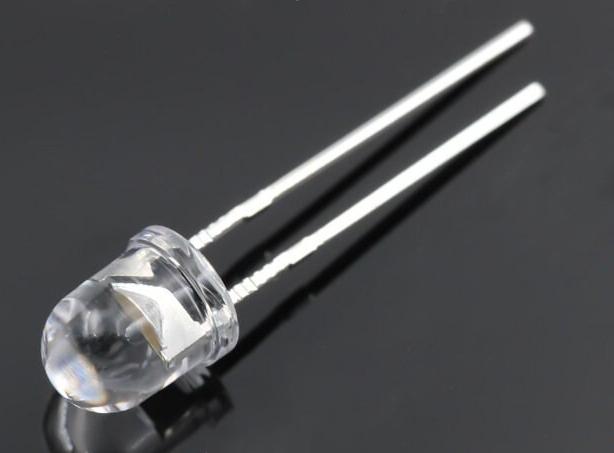
Standard LEDs are commonly found in basic torches and smaller utility lights. They offer simple, reliable lighting at a lower cost and typically consume very little power.
While they do not produce the same brightness or efficiency as modern LED technologies, they are still perfectly suitable for backup torches, keychain lights and general occasional use.
There’s no single “best” LED for every situation. A spotlight torch for boating has very different requirements to a workshop light or camping lantern.
That’s why RPM Innovations uses a range of LED technologies across our products – so you can choose the right light for the job, whether you need distance, flood lighting, compact size, efficiency
or value for money.
What Is Better Rechargeable Or Battery Powered?
One of the most common questions people ask when buying a torch is whether rechargeable or battery-powered models are better. The answer largely depends on how and where the torch will be used.
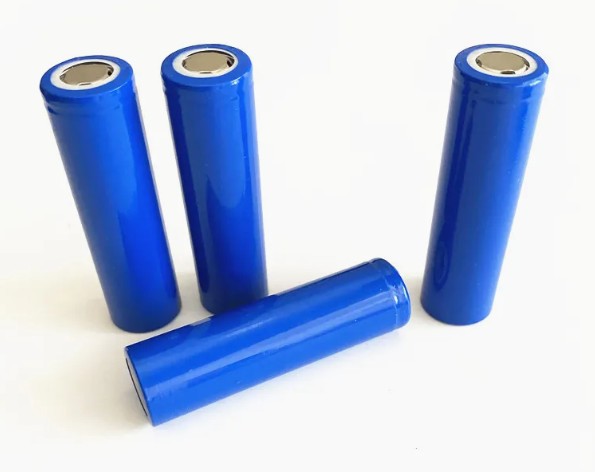
Rechargeable torches have become extremely popular due to their convenience and lower long-term running costs. They are ideal for people who use their torch regularly, such as tradies, campers, mechanics, security personnel or outdoor enthusiasts. Modern rechargeable lithium batteries can provide excellent brightness and runtime while eliminating the need to constantly purchase replacement batteries.
Many rechargeable torches can now be charged via USB, making them easy to charge in vehicles, boats, caravans or with portable power banks. This convenience makes them a practical option for everyday use.
However, rechargeable torches do rely on having access to power when recharging is needed. If the battery goes flat in a remote location without charging capability, you may be left without light unless you carry a backup.
Battery-powered torches still have an important place, especially for emergency kits, occasional use or remote travel. Standard batteries can often be replaced instantly, making them ideal for situations where charging is not practical.
They also tend to hold charge for long periods while sitting unused, which can make them suitable for emergency storage in vehicles, sheds or homes.
In many cases, the best solution may be a combination of both — a rechargeable primary torch for regular use and a battery-powered backup for emergencies.
What is colour temperature and what is best for me
When choosing a torch or work light, brightness is only part of the story. The colour temperature of the LED can make a big difference in how comfortable the light is to use, how clearly you can see objects and what environment the light is best suited for.
Colour temperature refers to the appearance of the light produced by the LED and is measured in Kelvin (K). In simple terms, it describes whether the light appears warm and yellow, neutral white, or cool blue-white.
Many people assume brighter white or bluer light is always better, but different colour temperatures suit different applications.
Warm White LEDs (2700K – 3500K)
Warm white light has a softer yellow appearance similar to traditional incandescent globes.
This type of light is often easier on the eyes and can create less glare and reflection in dusty, foggy or rainy conditions. It is also less harsh when used around campsites or indoors at night.
Benefits
- Easier on the eyes
- Reduced glare in fog, dust or rain
- More natural and comfortable lighting
- Better for close-range use over long periods
Best Uses
- Camping and caravanning
- Indoor lighting
- Reading and close-up tasks
- Relaxed outdoor environments
Limitations
- Usually appears less “bright” than cool white LEDs
- Reduced sharpness and contrast at long distances
Neutral White LEDs (4000K – 5000K)
Neutral white is often considered the best all-round colour temperature. It provides a good balance between comfort, brightness and visibility.
This light appears more natural to the human eye and often provides excellent colour definition without being overly harsh.
Benefits
- Balanced, natural-looking light
- Good visibility and colour accuracy
- Comfortable for extended use
- Versatile across many applications
Best Uses
- • Everyday torches
- • Workshop and trade lighting
- • General outdoor use
- • Multi-purpose lighting
Limitations
- • May not appear as intensely bright as cool white LEDs
- • Not as soft and relaxing as warm white
Cool White LEDs (5500K – 7000K)
Cool white LEDs produce a crisp blue-white light that often appears extremely bright and sharp.
This colour temperature is commonly used in high-performance torches and spotlights because it can improve perceived brightness and beam distance.
Benefits
- Very bright appearance
- Sharp contrast and detail
- Excellent long-distance visibility
- Popular in high-output torches
Best Uses
- Search lights and spotlights
- Security and patrol use
- Boating and marine applications
- Hunting and outdoor use
Limitations
- Can create glare or eye fatigue over long periods
- More reflection in fog, smoke, dust or rain
- Can feel harsh in close-range environments
Which Colour Temperature Is Best?
There is no single “best” colour temperature – it depends on how the torch will be used.
Warm White
what-torch-for-me
Neutral White
what-torch-for-me
Cool White
Maximum brightness and beam distance
Many modern torches are designed with colour temperature chosen specifically to suit their intended purpose. For example, a high-powered spotlight may use a cool white LED for maximum throw, while a camping lantern or work light may use a warmer or neutral tone for comfort.
Understanding colour temperature can help you choose a light that not only looks bright, but actually performs better for the way you use it.
Does Size Or Weight Matter?
Size and weight can have a bigger impact on torch performance and usability than many people realise.
A larger torch often allows for a bigger battery, larger reflector and stronger light output. This can improve beam distance and runtime, making larger torches popular for outdoor use, boating, hunting and search applications.
However, larger torches can also be heavier and less convenient to carry. If a torch is too bulky, people are less likely to keep it with them when needed.
Compact torches are easy to carry in pockets, bags, gloveboxes or tackle boxes, making them ideal for everyday use. Advances in LED and battery technology now allow small torches to produce surprisingly powerful light output compared to older designs.
Weight also becomes important when using a torch for extended periods. A lightweight headlamp or compact work light may be far more comfortable during long jobs than a heavy high-powered spotlight.
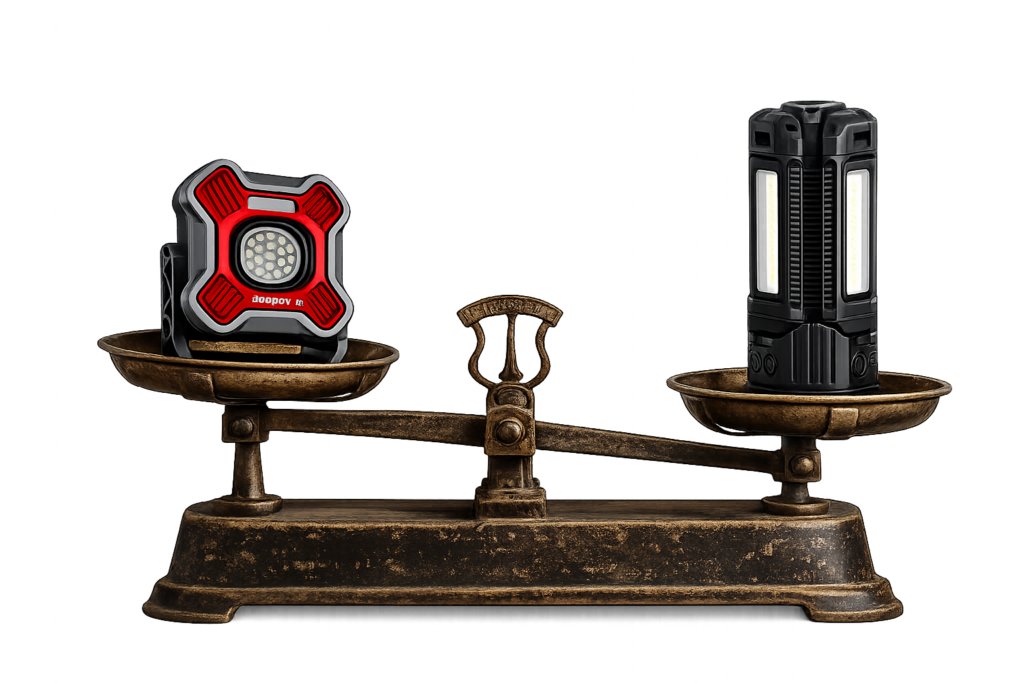
The best torch size usually comes down to balancing power, runtime and portability. A small torch is often more practical for convenience, while larger torches may deliver superior performance where brightness and runtime are priorities.
Does It Need Any Other Functions?
Modern torches now offer far more than simply turning on and off. Additional features can dramatically improve convenience, safety and versatility depending on how the torch will be used.
Multiple light modes are one of the most useful features available today. High, medium and low brightness settings allow users to balance brightness with battery runtime. Some torches also include flashing or SOS modes for emergencies.
Zoom or focus functions allow the beam to be adjusted between a wide flood and narrow spotlight beam. This can make a single torch more versatile across different situations.
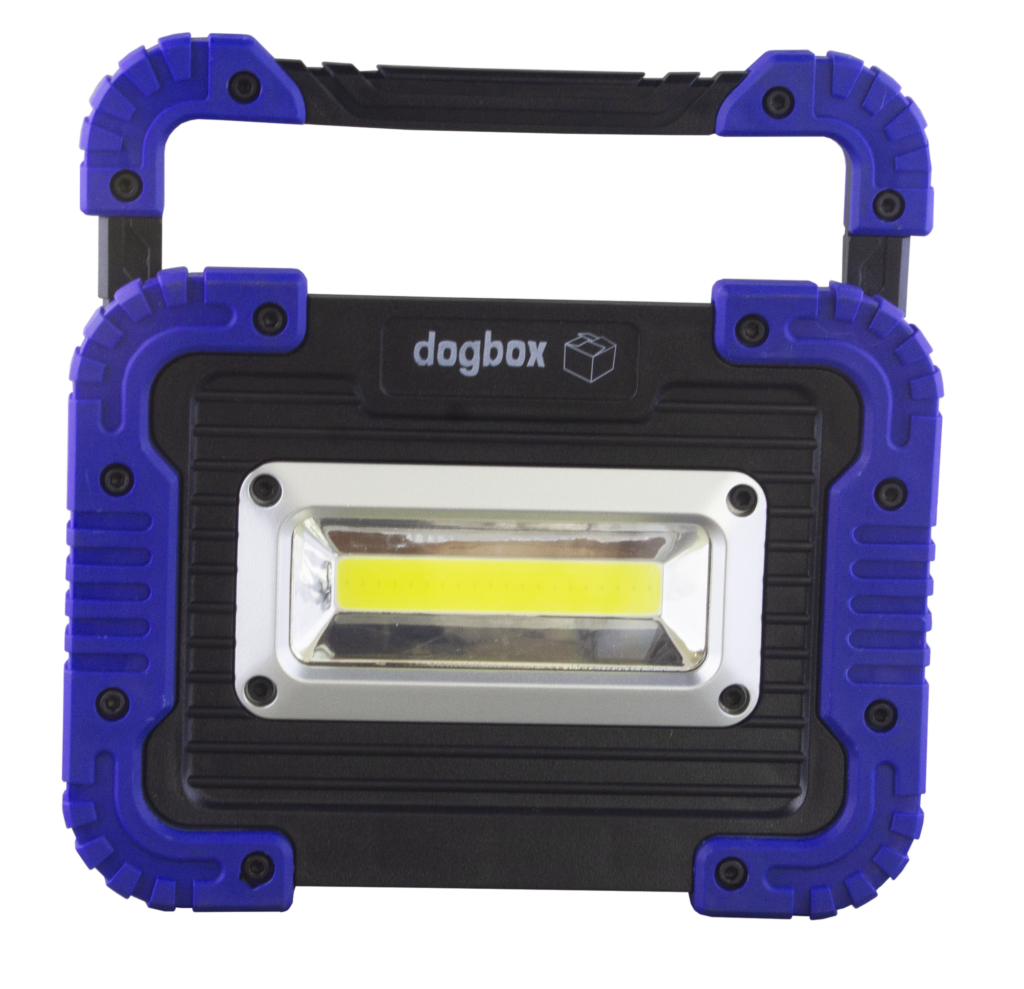
For work lights and camping lights, features such as magnetic bases, hanging hooks or adjustable stands can be extremely practical by allowing hands-free use.
Water resistance is another important consideration, particularly for boating, camping, fishing or outdoor work. A torch designed for wet conditions can provide far greater reliability in harsh environments.
Some rechargeable models also include power bank functionality, allowing the torch to charge phones or small devices in emergencies.
While extra features can add convenience, it’s important not to overcomplicate things. The best torch is usually one that performs its main job reliably, while offering useful functions that genuinely suit the way it will be used.